Innovation, Change and the Power of Trust
Shuttle Atlantis slipped the bonds of gravity for the last time today. NASA has showcased the power of technological innovation for decades in the coolest way possible by catapulting humans from the blue planet to places millions of miles away into the unknown. Amazing innovations have resulted from the space adventure and are in our homes today. I spent nearly 20 years of my career in the aerospace business, no business is any more challenging, frustrating or rewarding. As a key member of Rockwell’s Aerospace (now Boeing) program development team in the 80’s every day was an exercise in thinking so far off the table the your head hurt. It was a huge deal when we stuffed 64K of memory into a box that actually fit into a fighter aircraft, no kidding, that was highly classified stuff back then. The speed of technology innovation since then is clear.
As the industry limped into the 90’s the innovative spirit and techniques that built the Space Shuttle, deliver the B-1 ahead of schedule and under budget moved into organizational innovation. How do we continue to compete in new markets? How do we survive a negative economic trend? How do we continue to innovate while downsizing the workforce by thousands every month? The challenges we struggled with then are challenges senior executives face TODAY! PwC’s 14th Annual Global CEO Survey released earlier this year calls out innovation and technology as a key challenge.
Every client I work with has innovation on their strategic hit list, as they should. Innovation is the growth engine of every enterprise. Fostering an environment where both disruptive and incremental innovation exist comes in one word – Trust. Trust between the organization and its talent is crucial to building a culture of innovation. Some common benchmarks for innovative organizations are Apple, e-Bay, Amazon and P&G, . In each case the underlying culture of the enterprise respects the value of change and accepts the occasional failure. I was fortunate enough to have Apple as a client during the development of the Apple Store as they were struggling for relevance in the consumer electronics space. During that time a few significant failures found there way to the market. Anyone remember “the cube”? Steve Jobs kept trusting his talent and pushing the vision. Steve would often grab lunch in the Cupertino cafeteria and randomly sit at a table. His presence, confidence and trust buoyed the organization.
This post is too short to discuss all the components required to build the trust required to innovate successfully. Yet I can relate that a command and control structure that beats talent into neatly stacked silos is not recommended. Open internal networks with the freedom to communicate across boundaries, re-purpose ideas shamelessly and the ability to explore and trial are the core of innovative cultures.
During my time as a leader at PwC on the West Coast our business selected a minimum of 10 business trends each year to explore for development of new service offerings. We determined the trends collaboratively, built groups of consultants that felt a passion for the issue and let the party begin. No budgets, no timelines just a set of ideas that may or may not be useful to our clients. Routinely at least 3 of the trends we spotted and explored resulted in new service offerings that were relevant to clients and resulted in revenue growth. The open nature of the culture allowed for free exchange of ideas, data and talent. No boundaries were in place, only basic rules of engagement for experimentation.
In building for the 2020 business enterprise an open culture that fosters innovation is crucial. Let the exploration begin!
About The Change Dude
Outside the blogoshpere I’m Bob Caruso, a professional change artist/Managing Partner at Orchid Black.
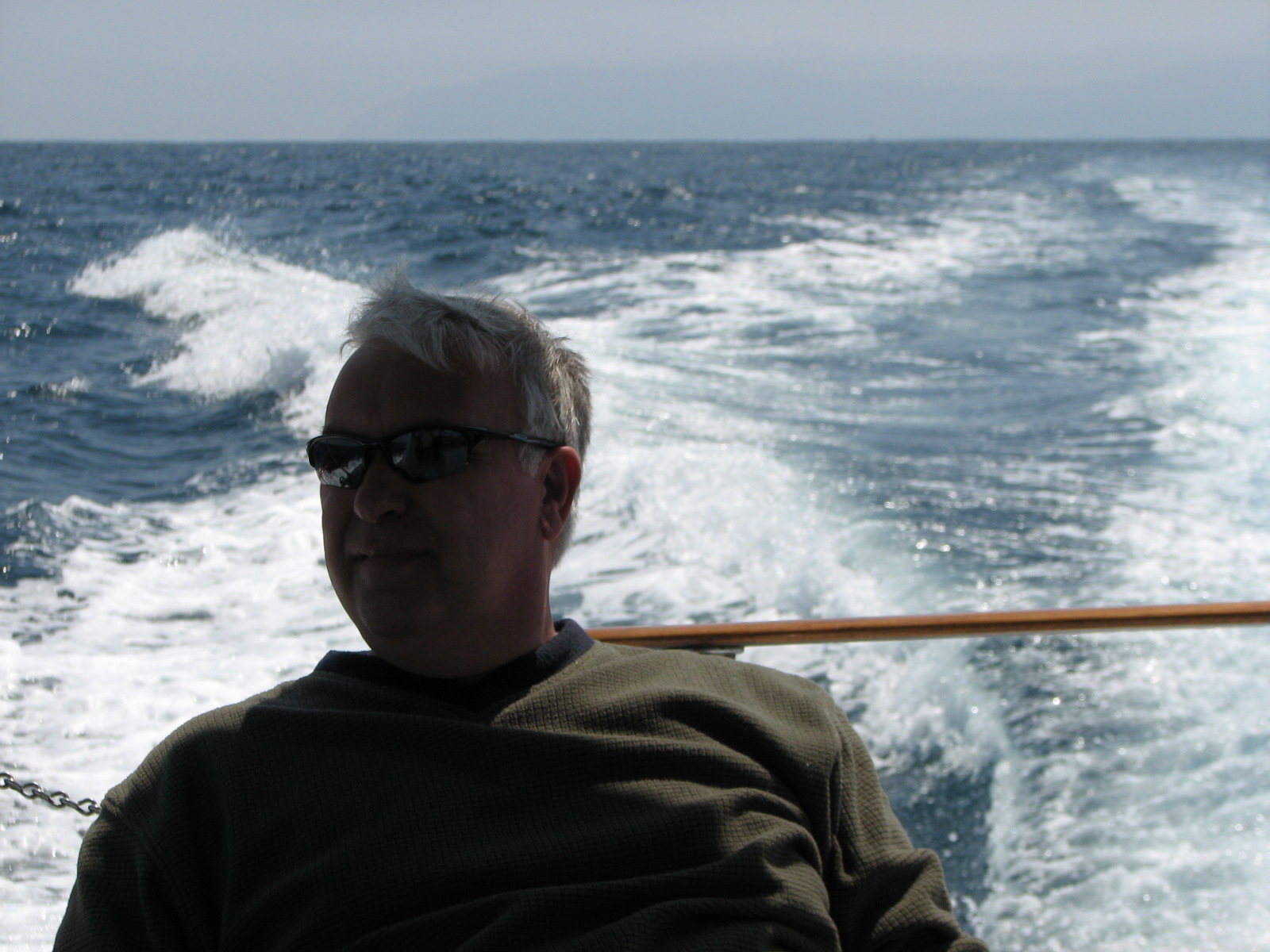
Most people don’t particulary like when things around them are constantly challenging their ability to walk in a straight line. I, on the other hand, love it when the status quo was 10 minutes ago. Over the past 30 years I’ve been assisting people and organizations reinvent, reinvigorate and renew themselves. It’s a blast!
On a more professional note…I bring 35 years experience in implementing large scale change as both an executive and professional consultant. Through that time I’ve carried business cards for some formidable firms including Rockwell, Price Waterhouse, Deloitte and J.D. Power and Associates. For more about my professional history visit http://www.linkedin.com/in/bobcaruso.
Visit me here to get the opinions, advice and connections you may be looking for when the string in your life gets a bit kinky.
-
Recent
- Does Innovation Remain at Risk
- AI and the Complex Sale
- The Power Play of ‘Let Me Finish’: Strategies to Foster Open Dialogue
- Navigating Life’s Unkown Journey
- Chief Digital Officer (CDO) The What’s and Who’s
- Digital Transformation:Erecting the House
- Digital Transformation: Real or Marketing Jargon?
- The Price is Right: Cracking the Code of Productivity
- Disaster Communications
- Professional Certifications: Who Cares?
- The Age of the Itinerant Professional
- Wisdom versus Knowledge in the Age of AI
-
Links
-
Archives
- January 2025 (2)
- December 2024 (1)
- November 2024 (3)
- October 2024 (3)
- September 2024 (3)
- August 2024 (4)
- July 2024 (3)
- June 2024 (2)
- May 2024 (5)
- April 2024 (4)
- March 2024 (4)
- February 2024 (2)
-
Categories
-
RSS
Entries RSS
Comments RSS
 The Change Dude's Blog