Does Innovation Remain at Risk

Each year I look forward to getting the results of the Edelman Trust Barometer. The 2025 results should be published soon. Looking back to the 2024 Edelman Trust Barometer it revealed a paradox at the heart of society: while rapid innovation promises a new era of prosperity, it also poses significant risks. This duality is reshaping public perception and trust in technology and institutions.
Innovation has always been a double-edged sword. On one hand, it drives economic growth, improves quality of life, and solves complex problems. On the other hand, it can lead to job displacement, privacy concerns, and ethical dilemmas. The 2024 Edelman Trust Barometer highlighted that while people appreciate the benefits of innovation, they are increasingly wary of its potential downsides.
One of the key findings was the growing concern over data privacy. As technology advances, the amount of personal data collected and analyzed skyrocketed. This led to fears about data breaches, surveillance, and misuse of information.
Another significant issue was the impact of automation and artificial intelligence on employment. While these technologies increase efficiency and productivity, they also threaten to displace millions of jobs. The barometer indicated that people were anxious about their future job security and called for policies ensuring a fair transition for workers.
Moreover, the ethical implications of innovation are under scrutiny. From genetic engineering to AI decision-making, the potential for misuse and unintended consequences is a major concern. The public is urging for robust ethical guidelines and regulations to govern the development and deployment of new technologies.
The 2024 Edelman Trust Barometer underscored the need for a balanced approach to innovation. While embracing technological advancements, it indicated the criticality in addressing the associated risks and building trust through transparency, accountability, and ethical practices.
I’m interested to know how leaders in business and government have done since this barometer was released last year. Has trust in innovation made a comeback? What are you as a leader doing to advance innovation in an ethical manner?
- Are you managing innovation implementation effectively?
- Mismanaged innovations are as likely to ignite backlash as advancing progress. Explain the science and manage impacts aggressively
- Have you actively partnered with stakeholders?
- Business is most trusted to introduce innovation. Take the effort to partner with employees and government to manage the impact of innovation ethically.
- Are you engaging in active discussions with stakeholders about innovation implementation?
- When people are engaged in having control of how innovations affect their lives, they are more likely to embrace and advocate for the innovation, not resist them. Listen to concerns, openly
AI and the Complex Sale

Ever try selling something that doesn’t exist? Well, I suppose most software developers do that on a regular basis, but something BIG that takes years to design, build and deliver? I’ve been doing that for decades. From selling advanced weapons systems to governments to closing multi-year global technology implementations. It’s really complicated, hence the term Complex Sale.
They’re basically fancy words for “it’s going to take forever, and there are too many people in the room who think they’re in charge.” You’ve got committees, stakeholders, decision-makers—it’s like trying to agree on a group vacation, but worse because it involves money, egos, and PowerPoint slides.
Now, throw AI into the mix. What would take tons of work and years of intelligence gathering and suddenly, you’ve got insights, data, and predictions coming out of your ears.
The integration of artificial intelligence (AI) into the complex sales process is revolutionizing how businesses approach high-stakes transactions. By combining the computational power of AI with human expertise, sales professionals can navigate intricate sales cycles more effectively and deliver tailored solutions to meet diverse stakeholder needs. This fusion of technology and strategy is reshaping the landscape of complex sales.
AI’s Role in Chaos Control
AI is brilliant at sifting through the nonsense. Got a dozen people with different opinions? AI can sort out who actually matters in the decision-making process—spoiler alert: it’s not Geoff from Procurement. It analyzes emails, tracks behaviors, and somehow knows which stakeholder’s approval is critical. It’s like Sherlock Holmes but without the creepy violin.
And when it comes to objections, AI’s all over it. It’ll tell you things like, “They’re worried about price,” or “They think your delivery timeline is about as reliable as a politician’s promise.” Handy, right?
AI streamlines stakeholder management. By analyzing communication patterns and engagement levels, AI systems identify key decision-makers, anticipate objections, and tailor messaging to resonate with individual stakeholders. This data-driven approach ensures that every interaction is purposeful and aligned with the client’s needs
Relationship Building: AI Does the Admin
Let’s not pretend AI can charm its way through a room like a stand-up comedian. That’s still your job. But it’ll handle the boring stuff sellers hate—follow-ups, scheduling, tracking who said what and when. It’s like having an assistant who doesn’t complain or take weeks off to find themselves. Meanwhile, you can focus on the big stuff: being nice to people, listening to their concerns, and trying not to look too desperate.
Strategy, But Make It Smart
Here’s where AI really shows off. Predictive analytics—sounds fancy, doesn’t it? But basically, it’s AI looking at a load of numbers and going, “Yeah, they’re going to buy,” or “Forget it, they’ve already chosen someone else.” It’s brutally honest, which is refreshing in sales. No fluff, just facts.
And when it comes to negotiation, AI’s your secret weapon. It’ll tell you what worked in past deals, what’s likely to win them over, and even suggest a discount if that’s what it takes to close the deal. It’s like having a ringer on the softball team who slugs it out of the park every game but won’t take the credit.
Keeping It Human
The successful integration of AI in complex sales requires a balance between technological capabilities and human judgment. AI is clever, but it’s not human. It doesn’t do empathy, it doesn’t crack jokes, and it definitely doesn’t understand why you’re still trying to make “fax” happen in 2025. That’s where you come in. You’re the one who builds the relationships, makes people laugh, and convinces them that you’re the best option without actually saying, “Please, please pick me.”
The successful integration of AI in complex sales requires a balance between technological capabilities and human judgment. While AI provides valuable insights and efficiencies, it is ultimately the sales professional who interprets these insights and builds meaningful connections with clients. Emotional intelligence, creativity, and adaptability remain irreplaceable skills in navigating the nuances of human interaction.
The Future Is Here (and It’s a Bit Smug)
AI isn’t going anywhere and thank goodness for that. It’s saving us time, making us look smarter than we are, and helping us close deals that would otherwise take months. Just remember it’s a tool, not a miracle worker. The magic still happens when you combine its brilliance with your charm, wit, and uncanny ability to survive endless meetings.
So, embrace AI, but don’t let it get too cocky. After all, it’s just a machine. You’re the one
Sales teams must also remain vigilant about the ethical use of AI. Transparency in data usage, respect for client privacy, and avoiding biases in AI algorithms are critical to keeping trust and credibility.
Good sales teams are a tough crowd, they stick to what’s worked for them in the past. Bringing new tools and tech into the world of complex sales can be challenging, but AI is a true optimization enabler, apologies for the consultingese.
In the age of AI, the art and science of complex sales are converging like never before. By using the strengths of both, businesses can achieve new heights of efficiency, effectiveness, and customer satisfaction.
Chief Digital Officer (CDO) The What’s and Who’s

Digital transformations don’t happen all by themselves. Over the past decade as digitization of the enterprise has taken hold a new C-Level role has been appearing, the Chief Digital Officer.
The term “Chief Digital Officer” (CDO) started gaining traction in the early 2010s. According to Gartner, a leading research and advisory company, the CDO role was predicted to become a “hot executive title” by 2012, and they forecasted that by 2015, 25% of organizations would have a CDO. As is often the case, adoption predictions take longer to materialize than is thought. According to research from PwC, about 21% of large public firms now have a CDO. A little short of the 25% number predicted for 2015 but still a significant presence in the board room.
CDO’s play a crucial role in modern organizations, spearheading digital transformation efforts essential for businesses to remain competitive in today’s fast-paced, technology-driven world. The importance of the CDO lies in their ability to integrate digital technologies into every aspect of a company’s operations, driving enhanced efficiency, improving customer experiences, and unlocking new revenue streams.
What does a CDO do? CDO Role and Value
Driving Digital Transformation: At the heart of the CDO’s role is the responsibility to drive digital transformation across the organization. This involves not just implementing innovative technologies, but also rethinking and redesigning business processes to use digital capabilities fully. This transformation is essential for companies to stay relevant in an increasingly digital economy, where traditional business models are continually being disrupted by innovative digital solutions.
Enhancing Customer Experience: The CDO is tasked with improving the customer journey by using digital tools to provide seamless, personalized experiences. In a world where customer expectations are at an all-time high, businesses must deliver consistent, high-quality interactions across all digital touchpoints. The CDO ensures that the organization is equipped to meet these expectations by integrating customer data, leveraging artificial intelligence, and employing user-friendly digital interfaces.
Optimizing Operations: Digital transformation is not just about customer-facing changes; it also involves refining internal operations. The CDO works to streamline workflows, reduce inefficiencies, and improve decision-making through data analytics and automation. This can lead to significant cost savings and enhanced productivity, providing the company with a competitive edge.
Fostering Innovation: A critical aspect of the CDO’s role is to foster a culture of innovation within the organization. This involves encouraging experimentation with modern technologies, supporting digital initiatives, and promoting a mindset of continuous improvement. By driving innovation, the CDO helps the organization to stay ahead of technological trends and respond quickly to market changes.
Ensuring Cybersecurity: As businesses become more digitally integrated, the risk of cyber threats increases. The CDO handles implementing robust cybersecurity measures to protect the organization’s data and digital assets. This includes ensuring compliance with data protection regulations and fostering a culture of security awareness among employees.
What does a CDO look like? Typical Profile
Technological Smarts: A successful CDO must have a deep understanding of various digital technologies, including cloud computing, artificial intelligence, data analytics, and cybersecurity. This technical knowledge allows them to find and implement the right digital solutions for the organization.
Strategic Vision: The CDO should have a strong strategic vision to drive the digital agenda. This involves understanding the broader business context and aligning digital initiatives with the company’s overall goals. The ability to think long-term and anticipate future technological trends is crucial.
Leadership Skills: Effective leadership skills are essential for a CDO, as they must inspire and motivate the organization to embrace digital change. This includes leading cross-functional teams, managing resistance to change, and fostering a collaborative environment.
Business Acumen: The CDO needs a solid grasp of business fundamentals to ensure that digital initiatives deliver tangible business value. This includes understanding key performance indicators, financial metrics, and market dynamics.
Change Management: Driving digital transformation often involves significant organizational change. The CDO must be adept at managing this change, including communicating the benefits of digital initiatives, training employees, and ensuring a smooth transition.
Final Thoughts
The role of the Chief Digital Officer is pivotal in navigating the complexities of the digital age. By driving digital transformation, enhancing customer experiences, optimizing operations, fostering innovation, and ensuring cybersecurity, the CDO helps organizations to thrive in an ever-evolving technological landscape. What I find interesting is that in collaborating with my clients over the past decade since the inception of the CDO title I’ve never run into that role in any of my clients. It’s most often a project specific role that fills that space working with the C-Suite versus being a member of it. I’m looking forward to seeing the continued expansion of the role in all organizations over the next few years.
Digital Transformation:Erecting the House

The Challenge
In my last installment I discussed building the foundation for Digital Transformation. It’s time to erect that digital house on the strong foundation of business alignment that’s been poured and the clean-up of software debris completed. Adoption of new tools and processes always, and I mean always, represent the highest hurdles any enterprise must overcome to achieve digital transformation. Just a reminder that 38% of spend on these projects DO NOT mee their ROI objectives. So, 38 dollars or every 100 spent gets flushed into oblivion. In my experience that number is often higher but unrecorded.
Focus on Adoption
In my neighborhood a home built in the 1980’s has been undergoing a massive renovation, it’s been nearly 2 years since the whole process started. We were all very glad to see the changes, at first. To say that the neighbors are over-it is an understatement. Trucks everywhere blocking the street, a never-ending stream of contractors, noise and distraction have made all of us less than excited about the outcome, we just want it OVER! It’s the same phenomenon with digital transformation projects, employees see the value when the work begins but over time if the distraction of the change overshadows the intended outcome interest wanes and resistance builds. Consider that on any given day over 60% of employees are frustrated by new technology implementations. Successful digital transformation efforts understand this challenge and plan to reduce the risk.
Adoption Critical Success Factors
- Modernize Processes
- Redesign the business processes impacted by the change BEFORE implementing the digital tools. Never hope that the technology will change the processes by default.
- Work closely with key influencers in the process areas impacted to understand the work and build confidence that the technology improvements with make their lives easier and more productive.
- Memorialize the modernized processes on paper. Yes, on paper. Despite the notion that no one reads paper, employees want to see their new processes in front of them to understand, review and provide feedback.
- Design a Unified User Experience
- One password, one landing page, a unified experience that allows employees easy access to the new technology experience. There is no bigger mistake than to add passwords and landing pages to the already overloaded technology stack.
- Unified experiences that clearly mechanize the modernized processes give users the confidence needed to dive in and build competency. Forcing users to navigate new paths on top of old paths will make time to value increase significantly.
- Engage, Engage, Engage
- Introducing digitally transformed processes requires time and effort in engagement with the impacted employees. Build that time into the roll-out calendar. Shorting the initial adoption period is the biggest miss I see most often.
- Ensure senior leadership and process influencer involvement early and often.
- Focus on the WIIFMs (What’s In It For Me) value in every conversation. Users really don’t care much about the “bigger picture” value the digitization will produce; they focus on how it helps them do their job faster and easier. Unless everyone in the business owns stock in the company shareholder value is a poor WIIFM.
- Measure Adoption Religiously
- Observe usage regularly. Regularly depends on the process being performed some processes occur daily, others monthly or even less often, build a measurement scheme that takes these periods into account.
- Digital observation is only one way to measure adoption, it’s often the least reliable method. Digital monitoring will only provide a signal that adoption is weak, physical observation and measurement offers stronger data to assist users in adoption.
- Recognize Early Adopters
- Positive reinforcement of early adoption through highlighting success stories builds momentum for the changes implemented.
- Publicize stories about how customers are served more quickly and accurately than ever before or any other positive outcomes from early adopters.
Closing Thoughts
Digital transformation with embedded artificial intelligence is underway across the business community. Massive investment in digital technologies only produces the desired outcomes when these technologies become institutionalized as leading practice in your business. Be mindful of the positive steps you can take to reduce the risk of failure by planning carefully and executing flawlessly.
Digital Transformation: Real or Marketing Jargon?
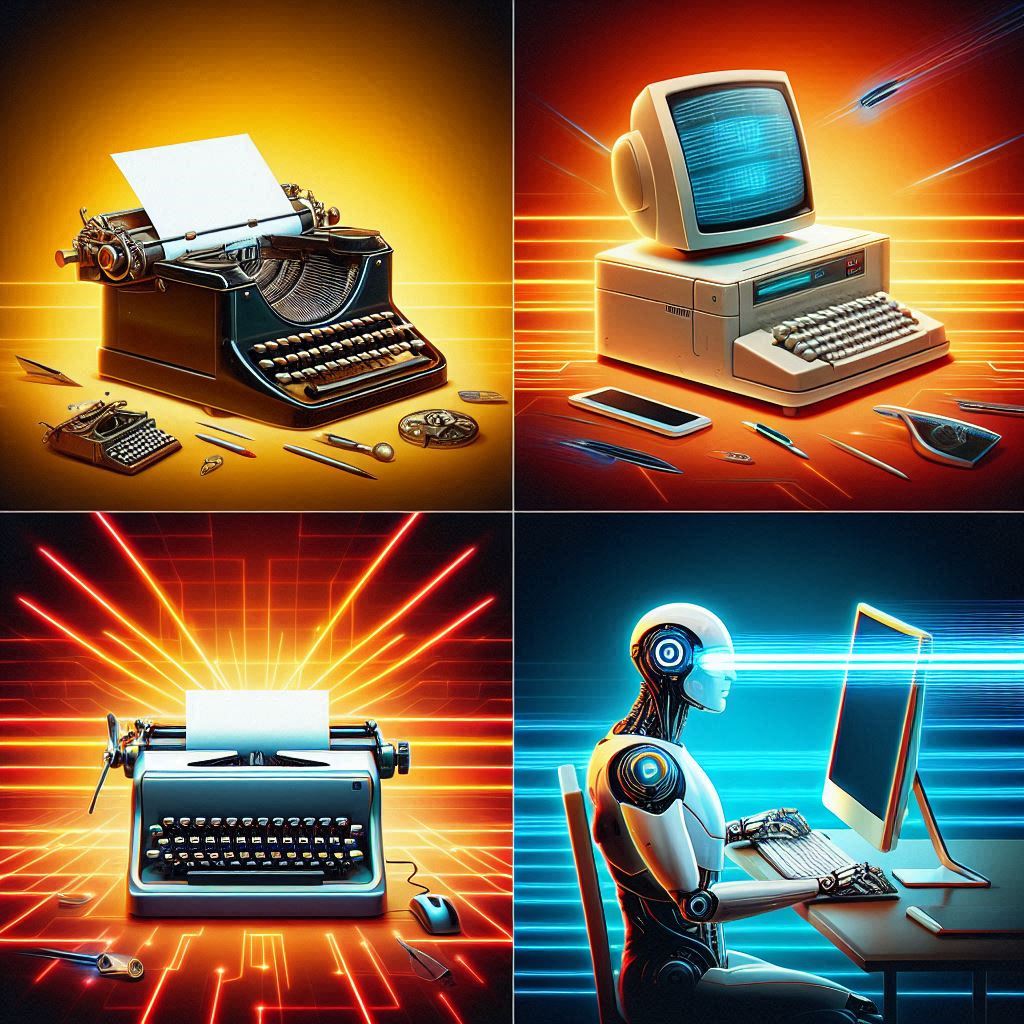
Digital transformation—it sounds like the latest buzzword cooked up in a marketing lab, doesn’t it? But when you peel back the layers, you realize it’s far more substantive than flashy jargon. Let’s dig in.
A Little History
In my career I’ve been fortunate to grow and change at the pace of technology. In college I used a typewriter and carbon paper to author assignments and punch cards to program mainframes. So, I get the whole digital transformation thing deeply. But hasn’t it been going on since the mid-20th century? Understanding the contemporary version of digital transformation demands a look at history. The transition from analog to digital processes has been happening for decades. From the introduction of computers in the workplace to the rise of the internet, the shifts have been profound and continuous.
Take the Industrial Revolution, for instance. It was a period of tremendous change, with new machinery and technologies altering the way work was done. Similarly, the advent of computers in the mid-20th century marked the beginning of a new era. Businesses began to automate tasks that were previously manual, leading to increased efficiency and productivity.
Digital Transformation Evolution
The term “digital transformation” itself might feel new, but the concept is rooted in these historical shifts. Today, it refers to integrating digital technology into all areas of a business, fundamentally changing how you operate and deliver value to customers. This transformation is driven by the rapid advancement of technology and ever-increasing customer expectations.
In the 1990s, the rise of the internet brought about the first wave of contemporary digital transformation. Companies began to create websites, explore e-commerce, and digitize some of their operations. Some of us have scars to show from these early experiments where the website was the only digital part. Orders or inquiries may have been posted to the website but behind the scenes it was “rip and read” where we would rip the paper from the printer and read the internet result then manually execute the rest of the process. The early 2000s saw the rise of social media and smartphones, further pushing businesses to adapt. The current wave of digital transformation goes beyond mere digitization—it’s about rethinking and reimagining how businesses function in a digitally-driven world.
Not Just Marketing Hype
So, is digital transformation just marketing language? The evidence suggests otherwise. True digital transformation involves significant changes to business processes, culture, and customer experiences. It’s not about slapping a digital interface on an old process; it’s about fundamentally rethinking how to use technology to drive growth and efficiency.
Real-World Impact
Consider companies like Netflix and Amazon. Netflix started as a DVD rental service but transformed itself into a streaming giant by embracing digital technologies. Amazon, once an online bookstore, now dominates e-commerce and cloud computing thanks to its relentless focus on innovation and technology.
In manufacturing, digital transformation is manifesting as the Industrial Internet of Things (IIoT), where machines communicate with each other to optimize production, and digital twins allow virtual simulations of supply chain automation. In healthcare, digital transformation means better patient engagement through electronic health records and telemedicine.
Final Thoughts
Digital transformation isn’t just a shiny new term invented by marketers. It’s a continuing evolution that requires businesses to integrate digital technologies at their core. It’s about embracing the future while learning from the past. While the term may be relatively new, the concept is deeply rooted in the historical progression of technological innovation. So next time you hear the phrase, know that it’s more than just a buzzword—it represents today’s challenges and the future of business.
Over the next few weeks, I’ll be sharing tips and tricks to aid in the identification and adoption of digital technologies that drive transformations efforts.
About The Change Dude
Outside the blogoshpere I’m Bob Caruso, a professional change artist/Managing Partner at Orchid Black.

Most people don’t particulary like when things around them are constantly challenging their ability to walk in a straight line. I, on the other hand, love it when the status quo was 10 minutes ago. Over the past 30 years I’ve been assisting people and organizations reinvent, reinvigorate and renew themselves. It’s a blast!
On a more professional note…I bring 35 years experience in implementing large scale change as both an executive and professional consultant. Through that time I’ve carried business cards for some formidable firms including Rockwell, Price Waterhouse, Deloitte and J.D. Power and Associates. For more about my professional history visit http://www.linkedin.com/in/bobcaruso.
Visit me here to get the opinions, advice and connections you may be looking for when the string in your life gets a bit kinky.
-
Recent
- Does Innovation Remain at Risk
- AI and the Complex Sale
- The Power Play of ‘Let Me Finish’: Strategies to Foster Open Dialogue
- Navigating Life’s Unkown Journey
- Chief Digital Officer (CDO) The What’s and Who’s
- Digital Transformation:Erecting the House
- Digital Transformation: Real or Marketing Jargon?
- The Price is Right: Cracking the Code of Productivity
- Disaster Communications
- Professional Certifications: Who Cares?
- The Age of the Itinerant Professional
- Wisdom versus Knowledge in the Age of AI
-
Links
-
Archives
- January 2025 (2)
- December 2024 (1)
- November 2024 (3)
- October 2024 (3)
- September 2024 (3)
- August 2024 (4)
- July 2024 (3)
- June 2024 (2)
- May 2024 (5)
- April 2024 (4)
- March 2024 (4)
- February 2024 (2)
-
Categories
-
RSS
Entries RSS
Comments RSS
 The Change Dude's Blog